Save your natural tooth with root canal treatment
Modern root canal treatment is far gentler and more straightforward than its old reputation suggests - and it's often the difference between losing a tooth and keeping it for life. Calm, careful endodontic care at our St Margarets practice.

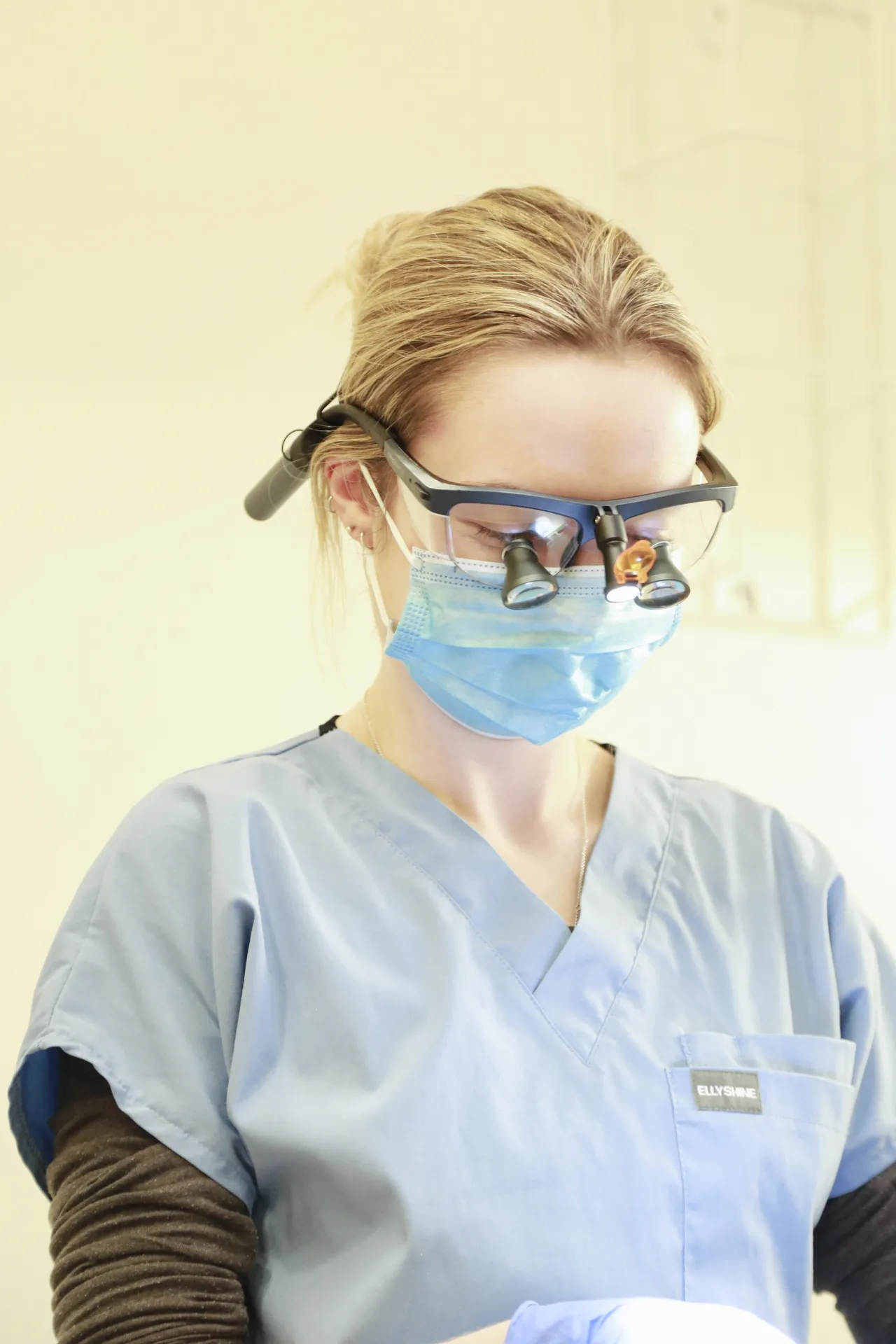
Root canal treatment, explained simply
Root canal treatment (also known as endodontic treatment) is a procedure to save a tooth that's become severely infected or damaged inside. Each tooth has a soft inner area called the pulp - made up of nerves and blood vessels - and when this becomes infected (usually due to deep decay, a crack, or trauma), the result is significant pain and a tooth that can't heal on its own.
Root canal treatment carefully removes the infected pulp, cleans and shapes the inside of the tooth, and seals it to prevent further infection. The tooth is then usually restored with a crown to protect it long-term. The result? A natural tooth saved, kept in your mouth, and able to function for many more years.
What our root canal patients in St Margarets say
S J.
Wonderful experience this morning from booking, reception to my appointment with Rachel, hygienist. She is very knowledgeable and gave lots of good advice.

Sagar L.
The check-up and cleaning were excellent, and I really appreciate how thorough and professional you both were. You made me feel comfortable, and I'm very happy with how everything went. My teeth feel great!
Kay H.
Wow...what a relief!! I am so lucky to have found an NHS dentist near me who are welcoming and efficient. Emily Johnson was gentle, patient and thorough and clearly very knowledgeable.
Steve S.
Dr Emily and the entire staff did a fantastic job making my daughter feel comfortable on her first ever trip to the dentist. I would recommend St Margaret's Smiles to anyone looking for a professional, caring and supportive environment.
Jo R.
Rachael and Kiran were great! Rachael was a very thorough, friendly and informative hygienist. Kiran was fantastic supporting as a nurse. A great experience - from someone who never particularly enjoys visiting the dentist!
Jane R.
I am a nervous patient and Smiles made me feel at ease, especially Emily my dentist.
Glen M.
Great dentist great staff excellent service.
Neda D.
I must say my recent visit to St Margarets Smiles was extremely pleasant. Receptionist Jess was very helpful, and Rachel the dental hygienist explained so clearly how I can improve the health of my teeth. I won't be afraid to come again.
Marina L.
Great experience at this dental clinic. The staff were very friendly and gave excellent attention to my child, making him feel comfortable. Everything was explained clearly and in a very kind way. Really glad we chose this clinic.
Karen J.
As always, St Margarets Smiles is welcoming and knows its patients. I had two appointments, one with the hygienist and then with Mr Panesar. Both were done quickly and efficiently.
Anna H.
Great practice, wonderful doctors and very pleasant staff.
Catherine M.
Lovely new front teeth.
Ian B.
Excellent professional dentist practice.
Barbara D.
Great care as always!
Dagmara Z.
Very happy with the practice.
Thomas G.
Very good service, thanks.
Nombasa N.
Always a good experience.
Dan B.
Even through the midst of an IT crash everyone was super friendly and helpful.
Sophie B.
Professional, kind and helpful.
Pankaj T.
Fatima is amazing, very helpful and kind. Dentist is amazing.
David F.
Friendly staff, excellent service.
Karim A.
Fatima is lovely, always smiley face and great service.
Harriet D.
Emily is so kind and professional, it makes a big difference.
Noreen R.
I can't thank Dr Emily Johnson enough for the care she is taking with my teeth.
Lauren A.
Great experience with Dr. Emily and new receptionist staff. Very friendly and informative.
Barbara B.
Farzana - 100% the best hygienist and a thoroughly lovely person I have ever had - today was my second with her - perfect and thank you.
Caroline R.
Excellent care! Real understanding of my deafness and such supportive team. I really thank you.
Niki S.
St Margarets Smiles is the best by miles. Lisa on reception is particularly warm and friendly and puts one immediately at ease.
Laura K.
Very happy with St Margaret's Smiles. Easy to book appointments and really friendly staff. Emily and Fatima, thank you.
Ed W.
Prompt, friendly and professional treatment. Highly recommended.
Susan B.
Crown expertly fitted. Quick and efficient service. Pleasant friendly staff.
Ella D.
I had a great experience with Emily the dentist, everyone was very very friendly and made me feel at ease.
Michelle C.
I visited the hygienist today and she did a wonderful job. I haven't had them cleaned for about 6 years and she has done wonders in 30 minutes. Highly recommended!
Katherine M.
Excellent customer care. Highly recommend.
Susanna H.
My last appointment was hygienist, she was brilliant! The dental nurse with her was great too, highly recommend.
Andrew W.
A very thorough check up. Course of action clearly explained. I needed to be referred to Kingston hospital for some restorative treatment and this referral happened promptly.
Olivia L.
While going to the dentist is hardly a pleasant experience, the team really make up for it. The super lovely and personable receptionist will put you at ease before being seen by the professional and swift dentist. Having used both NHS & Private the level of care is always top notch.
Argita P.
I had a wonderful experience. The staff was friendly, professional, and made me feel comfortable from the moment I walked in. The clinic was clean and well-organised, and everything ran smoothly.
Keith S.
Very polite and friendly practice. They do take personal care of patients. I felt very comfortable. Rachel is very diligent and offered great advice. I felt very much at ease.
Ben J.
Had a great experience at St Margaret Smiles with Dr Emily and Fatima, very thorough with my examination. Lisa the receptionist was also very welcoming.
Emanuela G.
Gentle and polite manners towards my little one and professional.
Tania T.
Everyone was very kind and helpful but overall very professional.
Abigail A.
Very good service! I had Farzana as my hygienist — she was professional, friendly, and made the whole experience comfortable. Would definitely recommend!
Nigel C.
I've been coming here for years. Flexible, friendly and efficient. Dentist and hygienist.
Keith G.
The hygienist was very good, gentle and thorough, with great communication of what was happening.
Ruth S.
The hygienist did a thorough job and gave me good advice.
Kelvin L.
Dr Emily was very patient and helpful. She was treating my younger son with lots of care and explaining along about what she was doing to my son. I'll recommend her to others.
Jim M.
I'm not the best patient in the world but was very satisfied with the treatment received. Dr. Emily, assisted by Fatima did a great job of making me comfortable and carried out their work really well. All the staff seem very competent and helpful.
Tyler D.
From the receptionist to the dentist, great service, very professional, I'm glad to be a patient at this place, thank you ladies.
Brad H.
Got a checkup for myself and my toddler. Great service and friendly staff - thanks Emily for the checkup! I also went back for some dental hygiene work and my teeth are much cleaner now.
Ianstrax
All the procedures I have had have been performed with care and skill. This is a practice that I would highly recommend.
Arki H.
Rachel was amazing she deserves a bonus. Come see her immediately if you got problems.
Ester K.
Very friendly and professional dental clinic. I also found the most gentle and accommodating hygienist there for my sensitive teeth, while she cleans them very well. Short waiting time for appointments and very flexible and friendly staff and environment. My son loves going there too, for check up and hygiene appointments.
Gregory C.
The service was excellent, and the product exceeded my expectations both in ease of use and result.
Katalin P.
Excellent service. Both of my sons were treated here. We are very pleased with St Margarets Smiles.
Dot H.
I'm always nervous about visiting the dentist, but Emily and the staff were very understanding. Emily's treatment was steady and gentle. Thank you for making the visit as comfortable as possible for an anxious lady.
Liberty D.
I couldn't recommend St Margaret's Smiles more! I am someone who is a nervous client when it comes to seeing a dentist. However my experience with Emily & Farzana has been great. They both made sure I was well looked after & made me feel at ease! As soon as you walk in, the receptionists are attentive and lovely.
Duy P.
Dr Emily is very good. Highly recommended. Professional, skilful and gentle. The surgery has the latest equipment, appointments manager is also great. My whole family is now registered with Dr Emily.
Diana W.
As always a first class service... I have been at this practice since 1998... always consistently good. From fillings crowns and general care I would recommend 100%.
Derek D.
Helpful and super friendly receptionist and excellent hygienist who took great care. I'm obviously not a fan of going to the dentist but they make it far easier to have a much better experience.
Vanessa D.
Best dentist I have ever had! Dr Emily has really helped me overcome my phobias and helped manage my dental care proactively.
Ali C.
Mine and my children's experience at St Margarets Smiles is always a very positive one. A super friendly front of house team, dental staff and an amazing hygienist!
Andrea D.
Mr Panesar is an excellent dentist, who works with care and precision and is always ready to explain the treatment he is recommending. A particular thanks to two new receptionists, Lisa and Adrienne, professional and helpful and able to find a spot for a semi-urgent treatment for me. Really appreciated.
Angela K.
Hygienist Rachel was wonderful... warm and welcoming but much more ... she's informative about the process and gives clear advice!
James
Excellent care and attention kindly provided by Dr Emily and her assistant as well as by hygienist Emily. Dr Emily took care to explain everything carefully and took photographs to illustrate her explanations. She listened to my concerns equally carefully and acted accordingly.
Dean S.
I took my 1 year old for their first check up at St Margaret's Smiles, the receptionist and the 2 dental nurses were fantastic and very professional, it was also extremely clean and tidy. There was also no tears.
Susan C.
From the lovely, helpful, friendly receptionist, I think her name is Lisa, to the dentist who explains everything and will only do work necessary, this practise is amazing. I've been coming here for years and would never dream of going elsewhere. The receptionist was extremely helpful when I phoned for an emergency appointment at 9am and got one at 11am.
Joanne M.
Rachel the Hygienist was very thorough with the children and guided them on good brushing technique and answered all their questions. Adrienne on the front desk was great at keeping the children occupied while they waited. Great service and very happy kids.
Kat K.
I had a really lovely experience at my first hygienist appointment! The lady on reception was super welcoming and friendly. Rachel was really friendly and informative during my appointment where she made me feel at ease (I'm not a fan of the dentist) and made me feel really good about my teeth! The dental assistant was also very gentle and nice! The experience has made me feel much better about coming for hygienist appointments in the future.
Margot L.
I had my appointment with Rachael and it was definitely the best dental appointment I've ever had. She was so lovely and kind and explained everything step by step so I knew what was happening. Also gave very good advice and overall made sure I was comfortable and informed. Would recommend seeing her for anyone who is nervous about getting their teeth cleaned.
Inside your root canal procedure
Your initial assessment
We'll start with a careful examination of the affected tooth, including x-rays to see what's happening inside. Your dentist will explain what they've found, why root canal treatment is being recommended, and what the alternatives are.
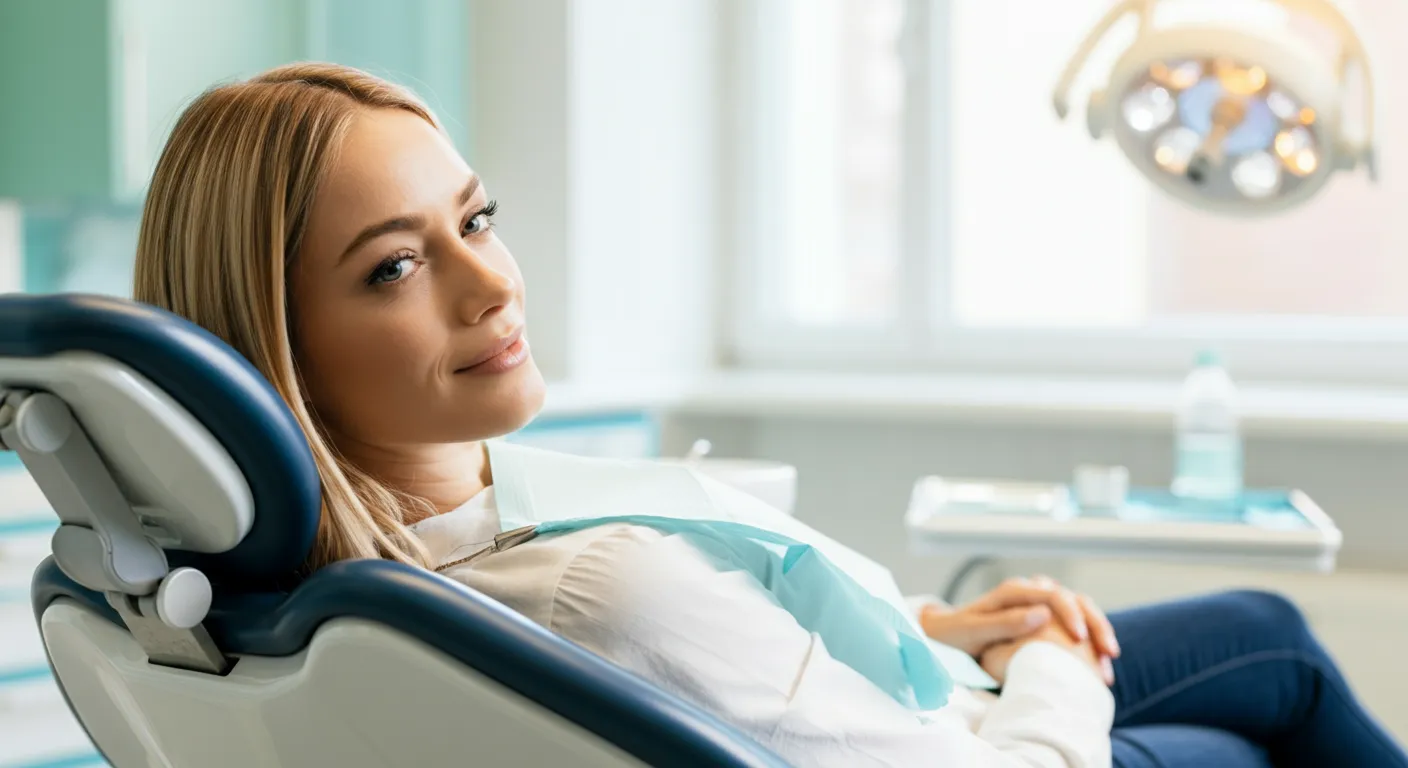
Numbing the area
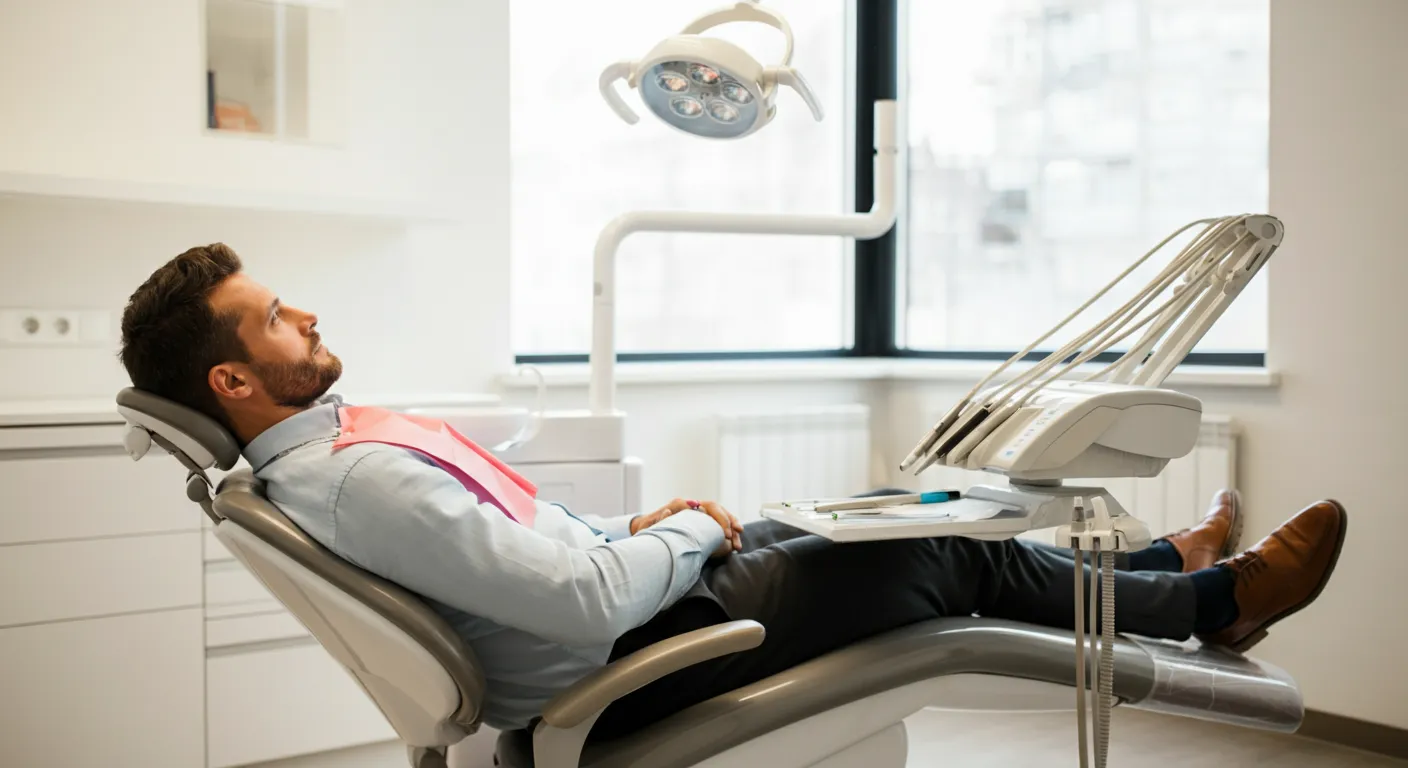
Before any treatment begins, your dentist will gently numb the tooth and surrounding area with local anaesthetic. Modern root canal treatment is far more comfortable than its reputation suggests - most patients describe the procedure as no worse than having a deep filling.
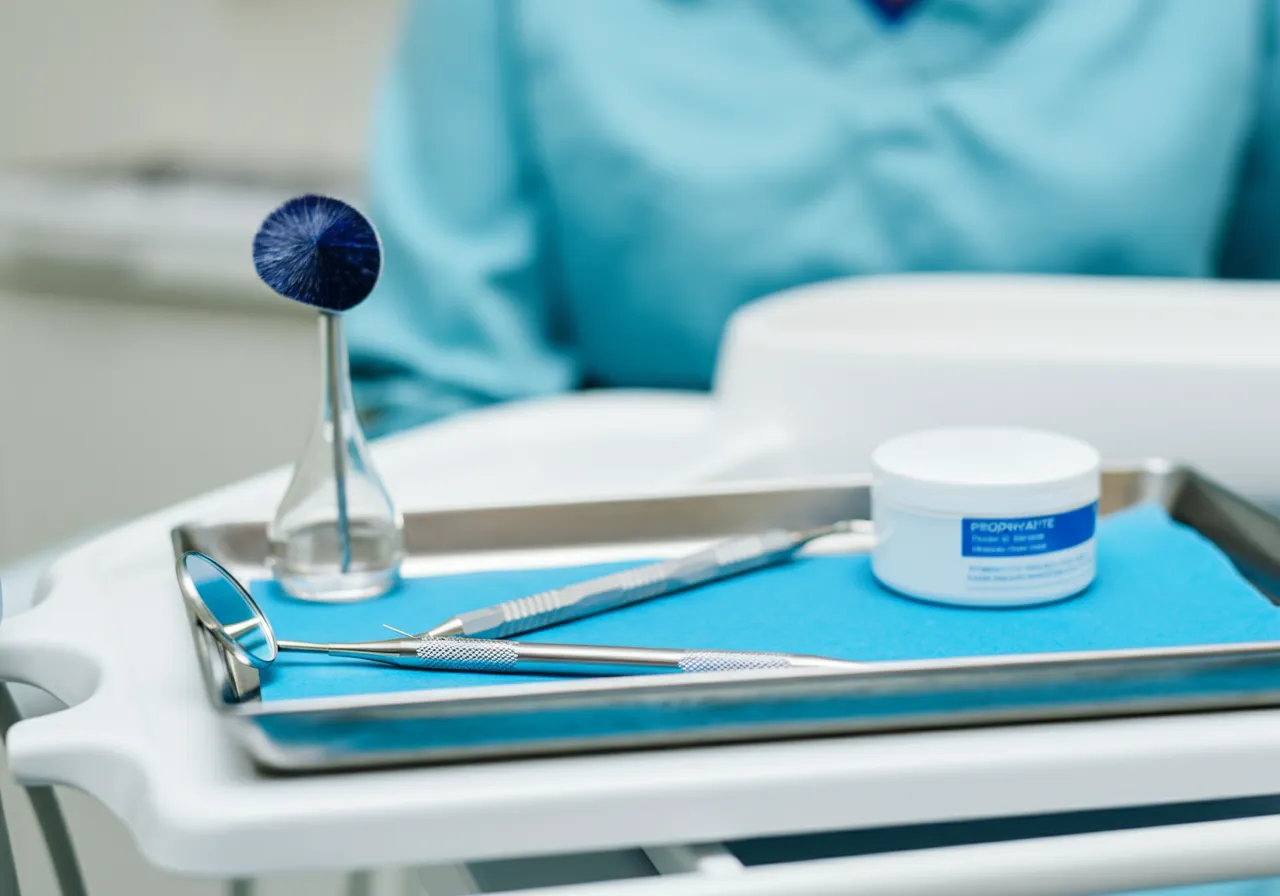
Cleaning and shaping the canals
Your dentist will create a small opening in the top of the tooth to access the infected pulp inside. Using fine instruments, they'll carefully remove the infected material and clean and shape the inside of each root canal.
Sealing the tooth
Once the canals are clean and shaped, they're filled with a specialised material that seals the tooth from further infection. A temporary filling is placed on top to protect the tooth while it settles.
Final restoration
Most root canal-treated teeth need a crown placed on top to fully protect them - root canals can leave teeth more brittle than they were before, and a crown provides the strength they need to function normally for many years to come.
When is root canal treatment recommended?
Root canal treatment is needed when the inner pulp of a tooth becomes infected, damaged or inflamed.
Common reasons include:
Your root canal team at St Margarets
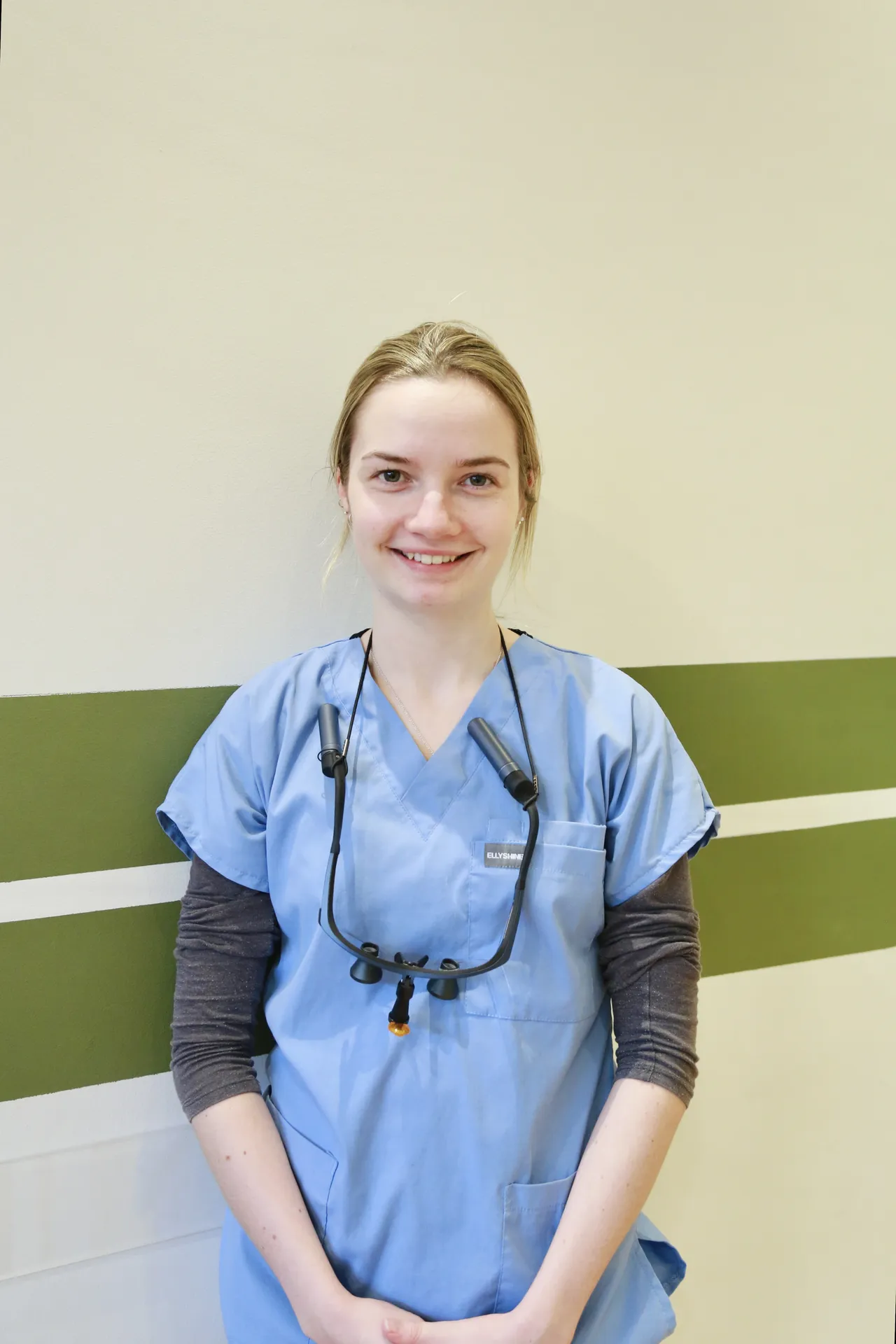
Root canal treatment at St Margarets Smiles is provided by Dr Paramjit Panesar, who has over 25 years of experience and a particular interest in endodontics, restorative dentistry and biomimetic techniques. Paramjit takes a careful, considered approach to root canal treatment - he believes in saving natural teeth wherever possible, using minimally invasive techniques to preserve as much healthy tooth structure as he can.
He's supported by our wider team, including Dr Emily Johnson, who is known for her gentle, calm approach with patients of all ages. Whoever you see, you'll be in caring, capable hands.


Why saving your natural tooth matters
Root canal treatment isn't always a patient's first choice - but when the alternative is losing a tooth, it's almost always the better option.

Save your natural tooth
Eliminate the source of pain
Avoid extraction and replacement
Restore normal eating and biting
Protect adjacent teeth
How much does root canal treatment cost in Twickenham?
Full pricing for all our treatments is available on our fee guide page.
Root canal treatment from
Root canal treatment at St Margarets Smiles starts from £500. The final cost depends on which tooth is being treated and how complex the root canal system is - back teeth (molars) typically have more roots and canals than front teeth, which means treatment takes longer. Most root canal-treated teeth also need a crown (from £600) to protect them long-term, so we'll discuss your full treatment plan and total costs at your consultation.
Your root canal questions answered in Twickenham
Will root canal treatment hurt?
No - the area is fully numbed with local anaesthetic before treatment begins, so you won't feel any sharp pain during the procedure. Modern root canal treatment is genuinely far more comfortable than its outdated reputation suggests - most patients describe it as no worse than having a deep filling.
How long does root canal treatment take?
Most root canal treatments are completed in one or two appointments of around 60-90 minutes each. Front teeth (which have a single canal) are usually quicker than back molar teeth (which have multiple canals).
How long do root canal-treated teeth last?
With proper restoration (usually a crown) and good oral hygiene, root canal-treated teeth can last for many years, often a lifetime. Regular check-ups and hygiene visits help us monitor the tooth and catch any issues early.
Why do I need a crown after root canal treatment?
Root canal-treated teeth often become more brittle over time, as the blood and nerve supply that kept them flexible has been removed. A crown protects the tooth from cracking under the pressure of biting and chewing, significantly extending its lifespan.
What's the alternative to root canal treatment?
The main alternative is extraction of the affected tooth - and then potentially replacing it with a dental implant, bridge or denture. Root canal treatment is almost always the gentler, more cost-effective option, and it lets you keep your natural tooth.
Can a root canal-treated tooth get infected again?
It's rare, but possible. Re-infection can usually be treated with a repeat root canal procedure (called retreatment). Good oral hygiene and regular check-ups are the best ways to prevent re-infection in the long term.
Do you accept root canal patients from outside St Margarets?
Yes, we welcome patients from across the TW1 postcode and the wider Richmond upon Thames borough - including East Twickenham, Isleworth, Whitton and Strawberry Hill. We're a short walk from St Margarets train station with pay-and-display parking right outside.